
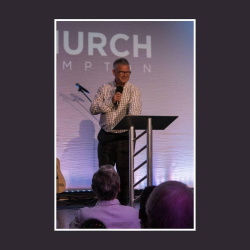
In 2020 and shortly after conducting the funeral of my second Pastor still in service I felt a prompting by the Holy Spirit.
I called my HQ and asked for a list of ministers who had died in service in the previous 5 years. There were a group of 7 and I made contact with their spouses. They were all widows. Not knowing what I was doing I began a journey with that group which still carries on today. Meeting twice a year I came to understand their pain and loss. It’s not only an informative experience, it is a privilege and I hope it helps them to know we care. These women were young when they became a widow. I think of them as I read these verses today.
“As for younger widows, do not put them on such a list. For when their sensual desires overcome their dedication to Christ, they want to marry. Thus they bring judgment on themselves, because they have broken their first pledge. Besides, they get into the habit of being idle and going about from house to house. And not only do they become idlers, but also busybodies who talk nonsense, saying things they ought not to. So I counsel younger widows to marry, to have children, to manage their homes and to give the enemy no opportunity for slander. Some have in fact already turned away to follow Satan.” 1 timothy 5 v 11-15
These were not on the ‘list’. They couldn’t be for they were under 60 yrs of age.
But what is Paul saying? At first it looks either offensive or confusing or both.
These next verses must be read in the context of the whole chapter especially what Paul was instructing Timothy on. Paul was taking care of the Church’s structured support system for women who rarely had independent means of support once they become widowed.
Was Paul against remarriage for the widow? It looks like he was but then in the next sentence he says he counsels for it.
How can these verses encourage?
It is important to understand that in this generation, as in some cultures of the world today, women rarely had independent means of support. If you lost your husband then remarriage was probably the best viable path for survival. Secondly, a woman’s place of influence was her home. If she lost her home as a young widow then her primary source of purpose was taken.
How do we understand these verses?
The passage emphasises making thoughtful choices about life commitments rather than being driven solely by immediate circumstances or emotions.
If they were put on the “list” and given the title widow then it could become too much for those who were not ready to accept that life. Maybe Paul was being pastoral. He didn’t want them to commit to a status and life of singleness that they were not willing for?
It’s a lesson to us all when trauma comes upon us. Don’t make quick decisions to alleviate your suffering. They could be the wrong decisions.
It is difficult for us today to try and draw aspects of Paul’s teaching into our modern understanding. Young widows today may not relate to what Paul says to the first century women.
However, the Church does need to be aware of the pressures on not only the older widows but the young too.
Young widows need wise counsel, a caring community around them and given hope and encouragement that their purpose for living still very much exists.
If we learn from Paul’s pastoral approach then our Churches will be known as families.
 Missions Paul
Thank you, Paul.
LikeLiked by 1 person